

 by Asim Abbas
 12 November 2026

How to read your Self Assessment bill: statement, tax calculation and payments on account
How to read your Self Assessment bill: statement, tax calculation and payments on account
Your Self Assessment bill often looks bigger than you expected, and the reason is usually payments on account. Once you understand how the bill is put together, the January figure makes sense.
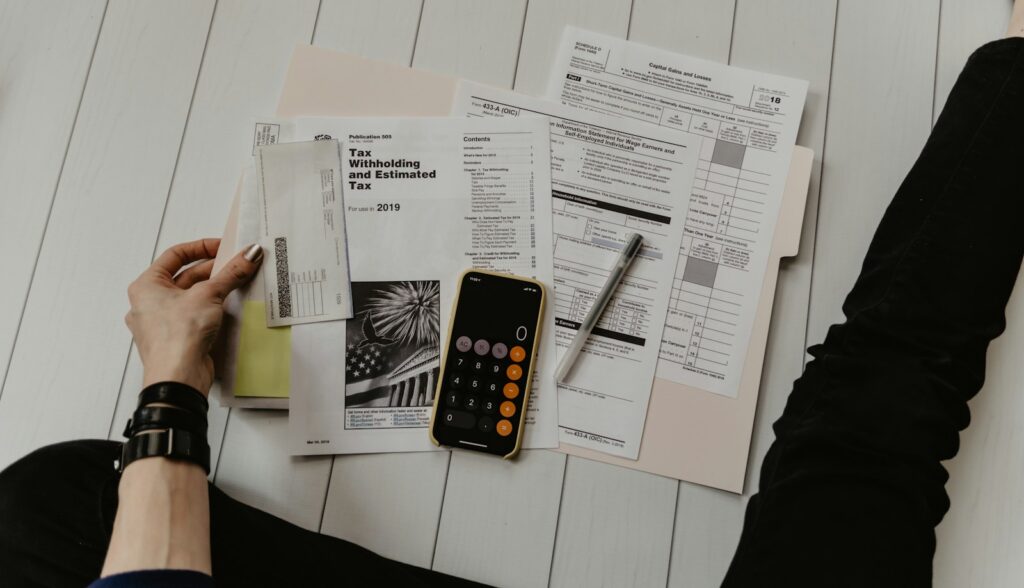
- Your statement shows what you owe and what you have paid; the tax calculation (SA302) shows how your tax was worked out.
- Pay by midnight on 31 January to avoid a penalty.
- Payments on account are two advance payments, each half of last year’s bill.
- You do not make them if last year’s bill was under £1,000, or over 80% was taxed at source.
- You can ask HMRC to reduce them if you expect to earn less.
When you submit your return, HMRC gives you two documents: a Self Assessment statement and a tax calculation. Each tells you something different.
This guide explains both, shows how payments on account work with a worked example, and tells you what to do if the bill looks wrong or you cannot pay.
The two documents HMRC gives you
According to GOV.UK, when you submit your return you get:
- a Self Assessment statement, your bill, summarising what you owe and the payments you have made
- a tax calculation, also called an SA302 or tax computation, summarising the tax you owe for the year
The tax calculation is the same document mortgage lenders ask for. If you need it for a mortgage, see our mortgage documents service.
When to pay
You must pay by midnight on 31 January after the end of the tax year to avoid a penalty. Interest is charged on anything paid late.
Making Tax Digital
If you have joined Making Tax Digital for Income Tax, your statement may show an amount marked “transferred to digital”. That means it has moved to your MTD account, and you pay it from there. Check both accounts in HMRC online services.
How payments on account work
Payments on account are advance payments towards next year’s bill, including Class 4 National Insurance if you are self-employed. GOV.UK’s payments on account guidance explains that:
- there are two, due by midnight on 31 January and 31 July
- each is normally half of last year’s tax bill
- any amount still owing, the balancing payment, is due by 31 January the following year, and can include Capital Gains Tax and student loan repayments
When you do not need to make them
You do not make payments on account if last year’s bill was under £1,000, or if more than 80% of last year’s tax was already paid another way, such as through your tax code.
Estimate your next bill
Use our free Self Assessment calculator to see what you might owe in January.
A worked example
Sam’s tax bill for 2024/25 was £3,000, so Sam paid two payments on account of £1,500 towards 2025/26. Sam’s 2025/26 bill turns out to be £4,000.
- Balancing payment for 2025/26: £4,000 − £3,000 = £1,000
- First payment on account for 2026/27: half of £4,000 = £2,000
- Total due by 31 January 2027: £3,000
- Second payment on account due by 31 July 2027: £2,000
In the first year you pay Self Assessment, the January bill can feel especially large, because it includes the whole year’s tax plus the first payment on account for the next year. Our guide to payments on account covers this in more detail.
Fixed-fee accountancy support
Transparent monthly packages for sole traders, landlords and limited companies. Fixed fees agreed upfront, VAT included.
Get a fixed-fee quoteCall 0161 531 4179Can you reduce your payments on account?
Yes. If you expect your income to fall, you can ask HMRC to reduce them online, or by sending form SA303. Be realistic: if your final bill is higher than the reduced amount, HMRC charges interest on the shortfall.
What if the bill looks wrong?
Check the tax calculation line by line. Common causes are missing expenses, income entered twice, or an earlier payment allocated to the wrong year. If you find an error on your return, you can usually amend it within 12 months of the 31 January deadline. If you realise income was left out of earlier years, speak to us about a voluntary disclosure before HMRC raises it with you.
What should I do next?
Both are in your HMRC online account.
Are they based on a year that reflects your current income?
Set aside the second payment on account.
We review the calculation and fix any errors before you pay.
Frequently Asked Questions
Why is my first Self Assessment bill so high?
It usually includes the whole year’s tax plus the first payment on account for the next year, which is half of that year’s bill.
Do I always have to make payments on account?
No. Not if last year’s bill was under £1,000, or if more than 80% of your tax was paid at source, for example through your tax code.
What is the balancing payment?
It is your total tax for the year minus the payments on account you have already made. It is due by 31 January.
Can I reduce my payments on account?
Yes, online or with form SA303, if you expect a lower bill. Interest is charged if you reduce them too far.
Is the tax calculation the same as an SA302?
Yes. The tax calculation is often called an SA302 and is the document mortgage lenders ask for.
Need help with this? Wingate Accountants offers fixed-fee online accountancy support across the UK. Call 0161 531 4179 or request a quote at wingateaccountants.co.uk.
About the Author
Ali Imran
I’m Ali Imran, an accountant at Wingate Accountants. I help sole traders, landlords and directors get their returns filed early and accurately, without the last-minute panic.