

 by Asim Abbas
 12 November 2026

Selling an inherited property, second home or land? When you pay Capital Gains Tax
Selling an inherited property, second home or land? When you pay Capital Gains Tax
Selling a property that is not your home can mean a Capital Gains Tax bill, and for most UK property you have just 60 days to report and pay. Inherited homes, second homes, buy-to-lets and land are the sales that most often catch people out.
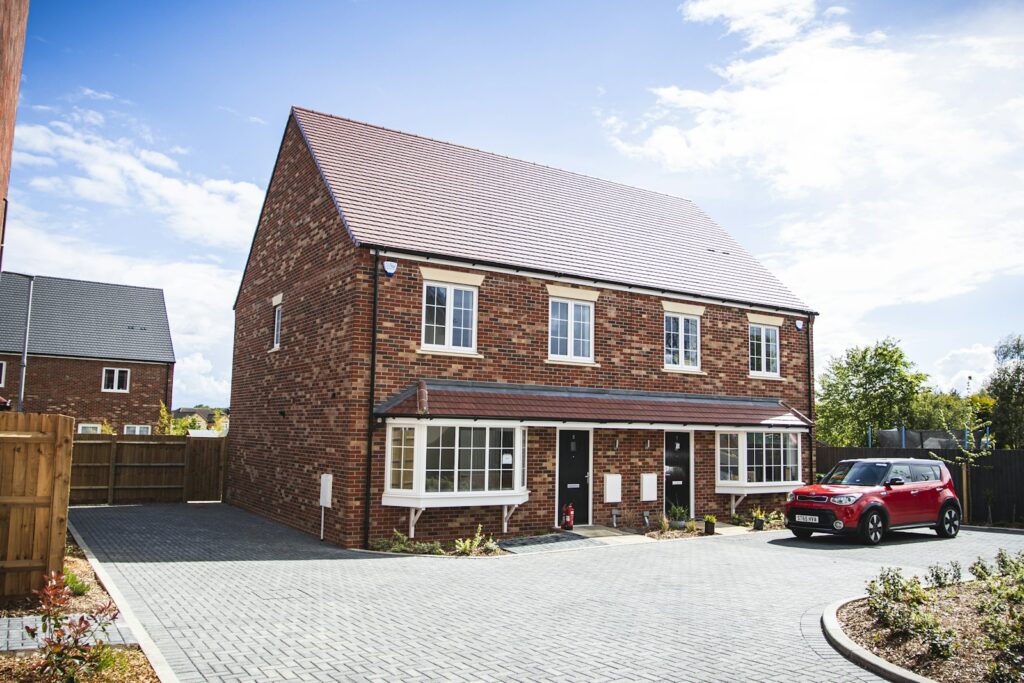
- You may pay Capital Gains Tax when you sell property that is not your home.
- That includes buy-to-lets, business premises, land and inherited property.
- Gifts to a spouse, civil partner or charity are usually tax-free.
- Most UK property sales must be reported and paid within 60 days.
- Estate property sold by executors is reported with the estate.
The good news is that there are allowable costs and reliefs that can cut the bill, sometimes to nothing.
This guide explains when the tax applies, when it does not, how the gain is worked out and how to report it.
When do you pay Capital Gains Tax on property?
According to GOV.UK, you may have to pay when you make a gain on property that is not your home, such as:
- buy-to-let properties
- business premises
- land
- inherited property
Second homes and holiday homes are treated in the same way. Different rules apply if you sell your own home, live abroad, or own through a company registered abroad.
When you usually do not pay
- Gifts to your husband, wife, civil partner or a charity are usually free of Capital Gains Tax
- Business assets may qualify for tax relief
- if a dependent relative lived in the property, you may not have to pay; this falls under the Private Residence Relief rules
If the property was ever your main home, part of the gain may be covered by Private Residence Relief. Our Private Residence Relief guide explains how it works.
Inherited property
If you inherit a property and sell it later, your gain is normally worked out from the property’s value at the date of death, not what the person originally paid. If the value has not risen much since then, there may be little or no tax. If the executors sell the property while dealing with the estate, the sale is included when the estate is reported to HMRC.
Estimate the tax on your sale
Use our free Capital Gains Tax calculator with your purchase price, sale price and costs.
How the gain is worked out
Your gain is broadly the sale price minus what it cost you, including:
- the purchase price, or the value at the date of death for inherited property
- buying costs, such as solicitor’s fees and Stamp Duty Land Tax
- selling costs, such as estate agent and legal fees
- improvement costs, such as an extension, but not routine repairs
For 2026/27, the first £3,000 of gains is tax-free. The rest is taxed at 18% within your unused basic rate band and 24% above it. Joint owners each pay tax on their own share and can each use their own £3,000 allowance.
Fixed-fee accountancy support
Transparent monthly packages for sole traders, landlords and limited companies. Fixed fees agreed upfront, VAT included.
Get a fixed-fee quoteCall 0161 531 4179Report and pay within 60 days
You must report and pay the tax on most UK property sales within 60 days of completion, using HMRC’s Capital Gains Tax on UK property service. If you file Self Assessment, you also include the sale on your return. Our guide to reporting and paying Capital Gains Tax walks through the process.
Landlords selling a buy-to-let
Plan the timing of the sale, especially if your income changes from year to year, as that affects how much of the gain is taxed at 18%. See our guide to selling a buy-to-let. If rental income from the property was never declared, the Let Property Campaign lets you put it right on better terms.
What should I do next?
The purchase price, or the value at the date of death for inherited property.
Legal fees, Stamp Duty, agent fees and improvement invoices.
Private Residence Relief, gifts to a spouse and business reliefs.
Ask us to calculate the gain and submit the report for you.
Frequently Asked Questions
Do I pay Capital Gains Tax on an inherited house?
Only on any increase in value since the date of death, if you sell it for more than that value. Executors selling during the estate administration report it with the estate.
Do I pay Capital Gains Tax on a second home?
Yes, if you sell it for a gain. It is taxed at 18% or 24% after the £3,000 annual exempt amount.
Can I deduct the cost of an extension?
Yes. Improvement costs that add to the property can be deducted, but routine repairs and maintenance cannot.
How long do I have to report a property sale?
For most UK residential property, 60 days from completion.
Is a gift of property to my spouse taxable?
Gifts to a husband, wife or civil partner are usually free of Capital Gains Tax.
Need help with this? Wingate Accountants offers fixed-fee online accountancy support across the UK. Call 0161 531 4179 or request a quote at wingateaccountants.co.uk.
About the Author
Stephen Reynold
I’m Stephen Reynold, an accountant at Wingate Accountants. I work with sole traders and small companies, turning tax rules into clear, practical next steps.


