

 by Asim Abbas
 22 November 2026

Self-Employed Tradespeople (Plumbers, Electricians, Builders): Self Assessment Explained
Self-Employed Tradespeople (Plumbers, Electricians, Builders): Self Assessment Explained
Self-employed plumbers, electricians and builders normally need Self Assessment once gross income goes above £1,000 — and can claim a wide range of job costs.
- Trading income over £1,000 usually means registering for Self Assessment.
- Tools, van costs, materials and insurance are commonly allowable.
- CIS deductions do not replace the need for a personal tax return.
- Wingate supports tradespeople on a fixed-fee basis.
If you work for yourself in the trades, you will almost certainly need to file a Self Assessment tax return once your gross income goes above £1,000 in a tax year.
That applies whether you are a plumber, electrician, builder, plasterer, carpenter or another sole-trader tradesperson. CIS deductions on some contracts do not remove the need for a personal return.
Detailed allowable expenses for tradespeople
Typical expenses you can claim include:
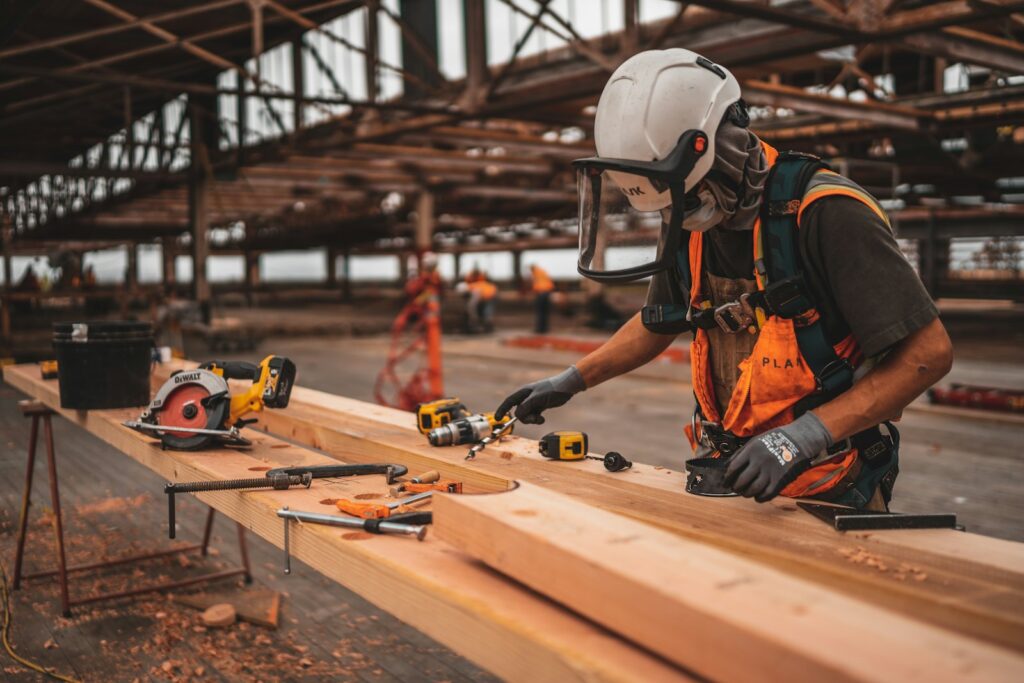
- Tools, equipment and power tools
- Van or vehicle costs (lease/hire, insurance, repairs, fuel or simplified mileage rates)
- Materials and consumables used on jobs
- Subcontractor costs
- Protective clothing, boots and safety equipment
- Phone, mobile data and internet (business proportion)
- Public liability and tools insurance
- Work-related training and certifications
- Marketing, website and advertising
- Use of home as office (simplified or actual costs)
- Accountancy and bookkeeping fees
- Parking, congestion charges and tolls incurred for work
- Small tools and equipment
Keep invoices and mileage records — they make a real difference at year end. Related: Self Assessment tax returns.
How Wingate Accountants can help
We work with self-employed tradespeople every year. We can register you for Self Assessment, prepare and file your tax return, help you claim all allowable expenses, and deal with HMRC if needed — on a clear fixed-fee basis.
Self-employed in the trades?
Fixed-fee Self Assessment support from Chartered Certified Accountants.
Request a quoteWhatsApp 0161 531 4179What should I do next?
Invoices, CIS statements and cash jobs.
Tools, materials, van and insurance.
Usually once you pass £1,000 gross.
Pay any tax due on time.
Frequently Asked Questions
Do CIS deductions mean I don’t need a tax return?
No. CIS tax deducted at source is credited against your overall liability. You still normally need to file Self Assessment to report income, expenses and claim refunds or pay any balance.
Can I claim my van and tools?
Yes, within the rules. Vehicle costs can be claimed using actual costs or simplified mileage rates, and tools used for the trade are usually allowable.
What if I only do occasional cash jobs?
Once total gross trading income goes above £1,000 in a tax year, you normally need to register and report it — including cash jobs.
Need help with this? Wingate Accountants offers fixed-fee online accountancy support across the UK. Call 0161 531 4179 or request a quote at wingateaccountants.co.uk.
About the Author
Stephen Reynold
I’m Stephen Reynold, an accountant at Wingate Accountants. I work with sole traders and small companies, turning tax rules into clear, practical next steps.